

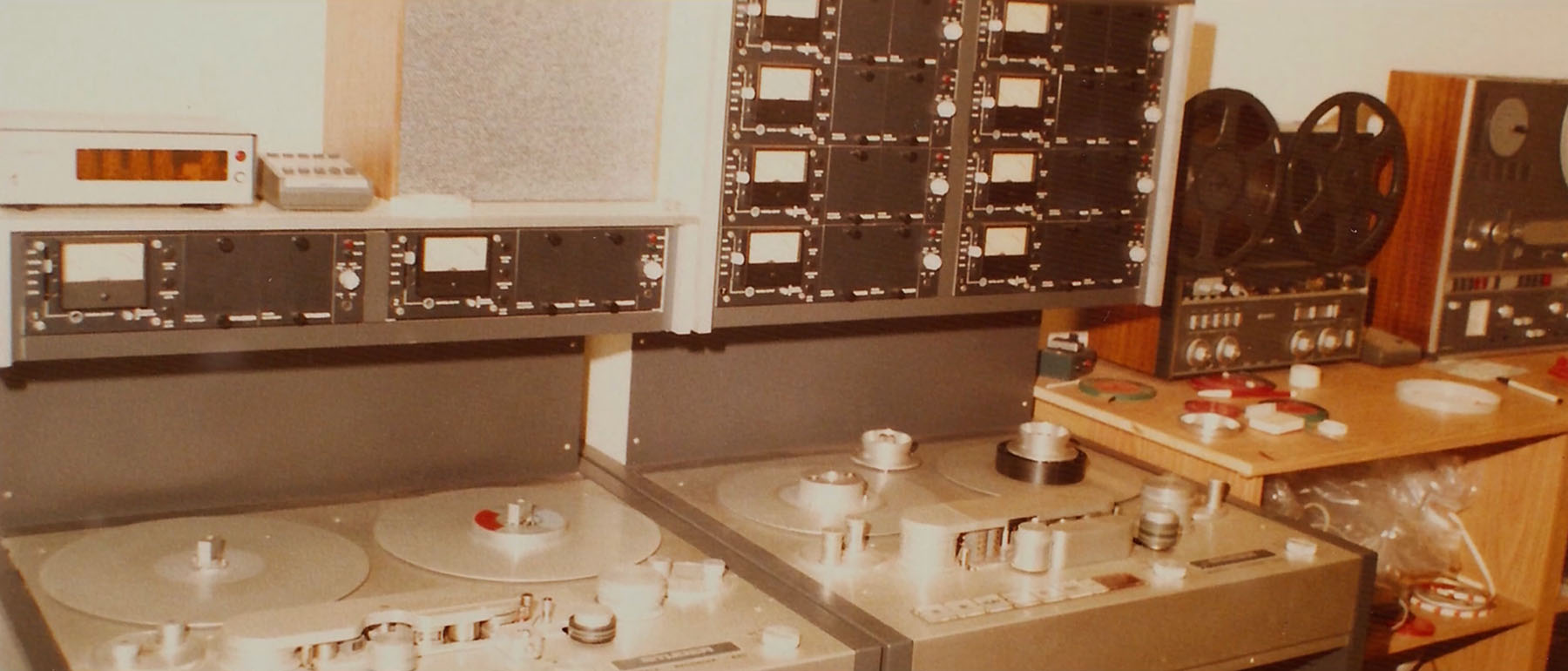
"A rare recording from Klaus Wunderlich's private recording studio (screenshot from the movie Wunderlich Stories). Side by side are the STUDER A802, the STUDER A80 - 8-track, 1-inch machine, a Revox A77, and, on the right, a Revox A700."
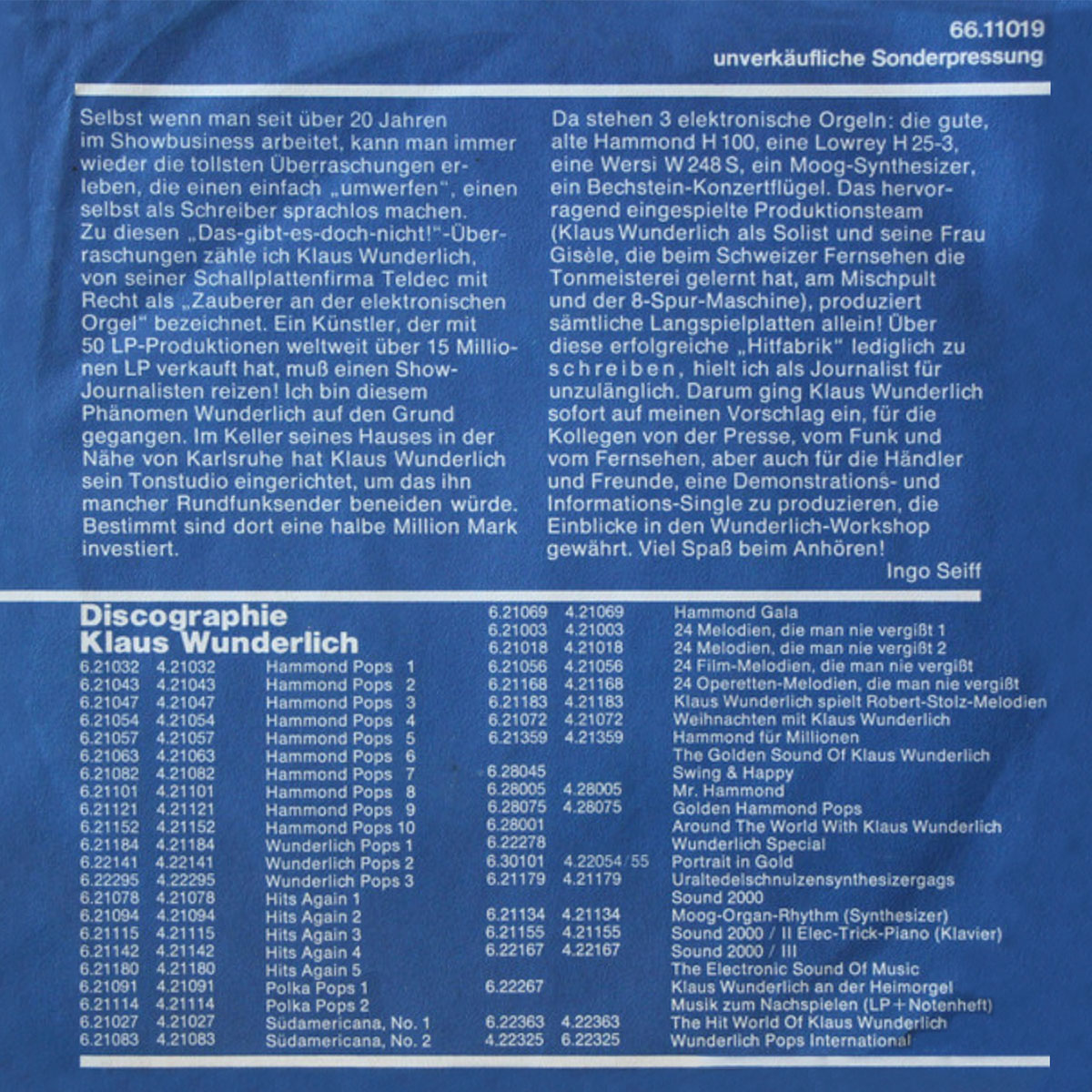
In 1972, Klaus Wunderlich set up his recording studio in the basement of his house near Karlsruhe, a location that many radio stations would have shunned. Around half a million marks must have been invested in it.
There were three electronic organs: the good old Hammond H 100, a Lowrey H 25-3, a Wersi W 248 S, a Moog synthesizer, and a Bechstein concert grand piano. The excellent production team comprised only of Klaus as soloist and his first wife Gisèle, (who was reputed to have learned sound engineering at Swiss television) at the mixing desk and the 8-track machine, and together they produced all the long-playing records by themselves!
Klaus Wunderlich did everything himself. From selecting the titles and writing the arrangements to recording on the A80 and mixing the recordings from the A80 via a STUDER 089 mixing console to the STUDER A802 stereo master tape machine. Klaus had already started experimenting with tape recorders in 1956. He would record something on a tape recorder and then layer a second, third, or even fourth recording on top of it. Such a process is unimaginably complex and leaves no room for mistakes. For example, if you make a mistake on the fourth overdubbing, all the previous recordings are ruined. Klaus had the incredible ability to lay down his recordings on tape with the same musicality and precision as a machine.
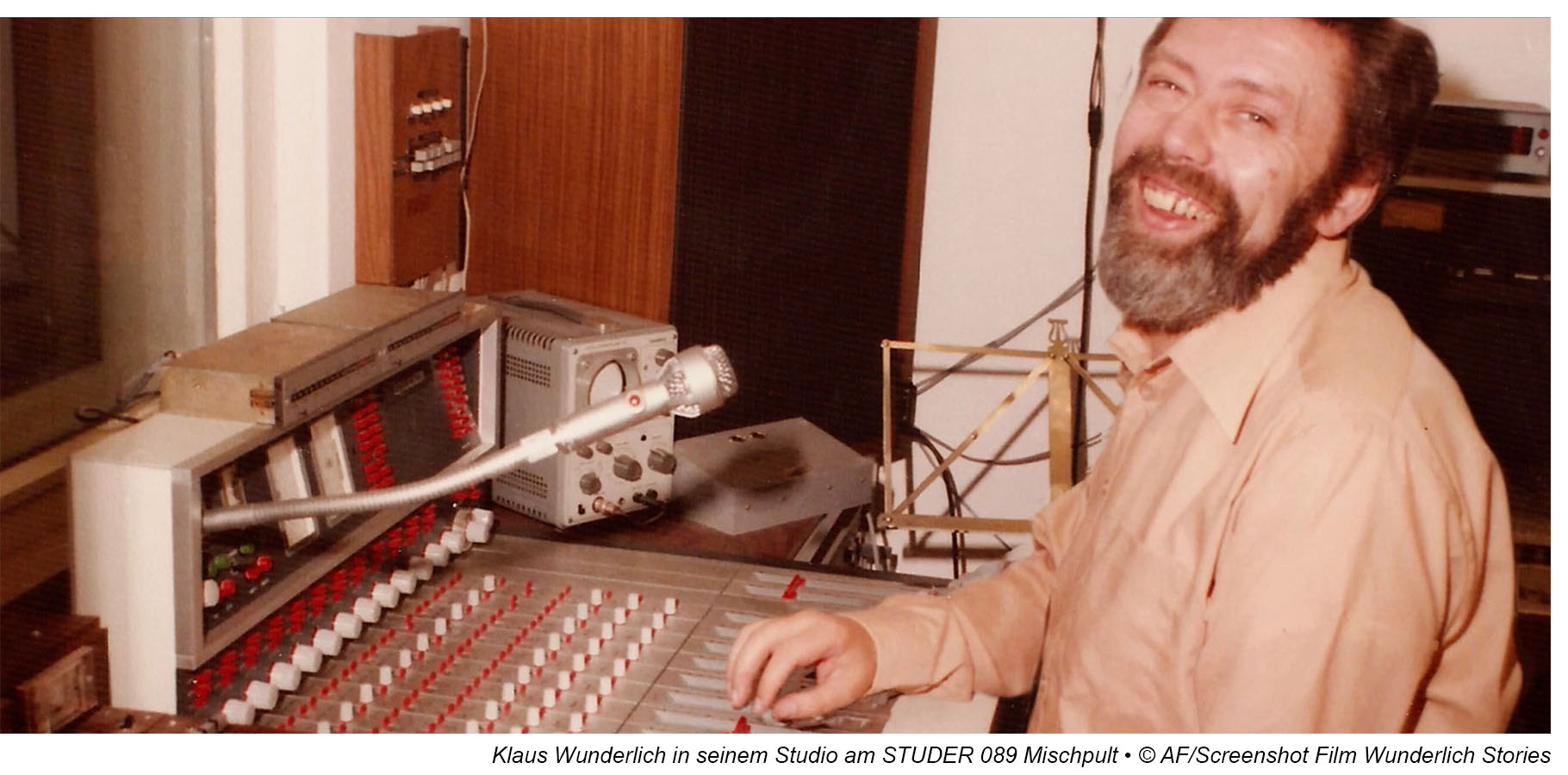 In his studio, he was able to take this much further with the 8-track machine. Here, too, he overdubbed individual tracks, sometimes multiple times. These are things that can easily be done in today’s studios with modern recording systems. Today, hundreds of tracks can run in parallel without one track affecting another if something needs to be corrected. Klaus never did anything like that and never needed to for he was simply perfect in this regard.
What made Klaus Wunderlich so unique was his precision. He once said, “You just have to press the right note at the right time - that’s all.” But he did this to perfection. He simply never pressed the wrong note. This was the only way he was able to successfully complete his multiple overdubs. No one else could ever replicate this perfection.
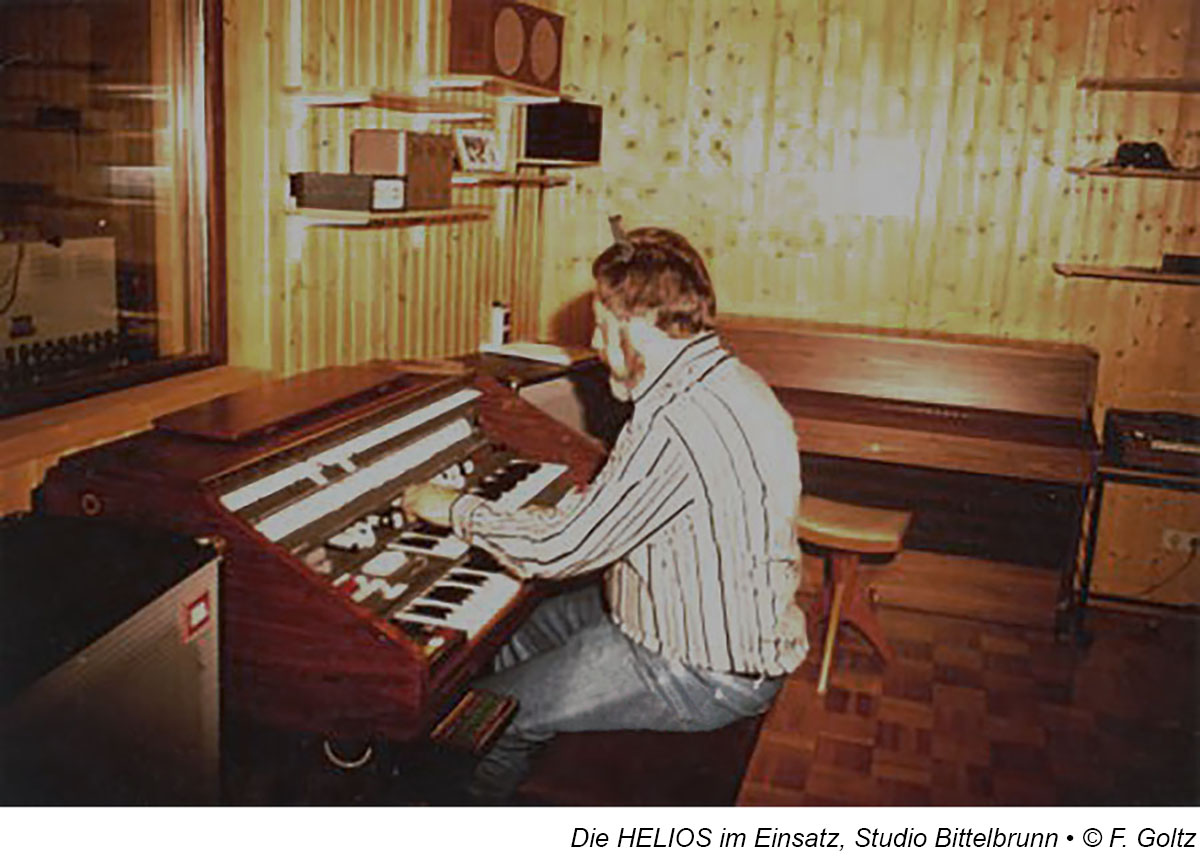
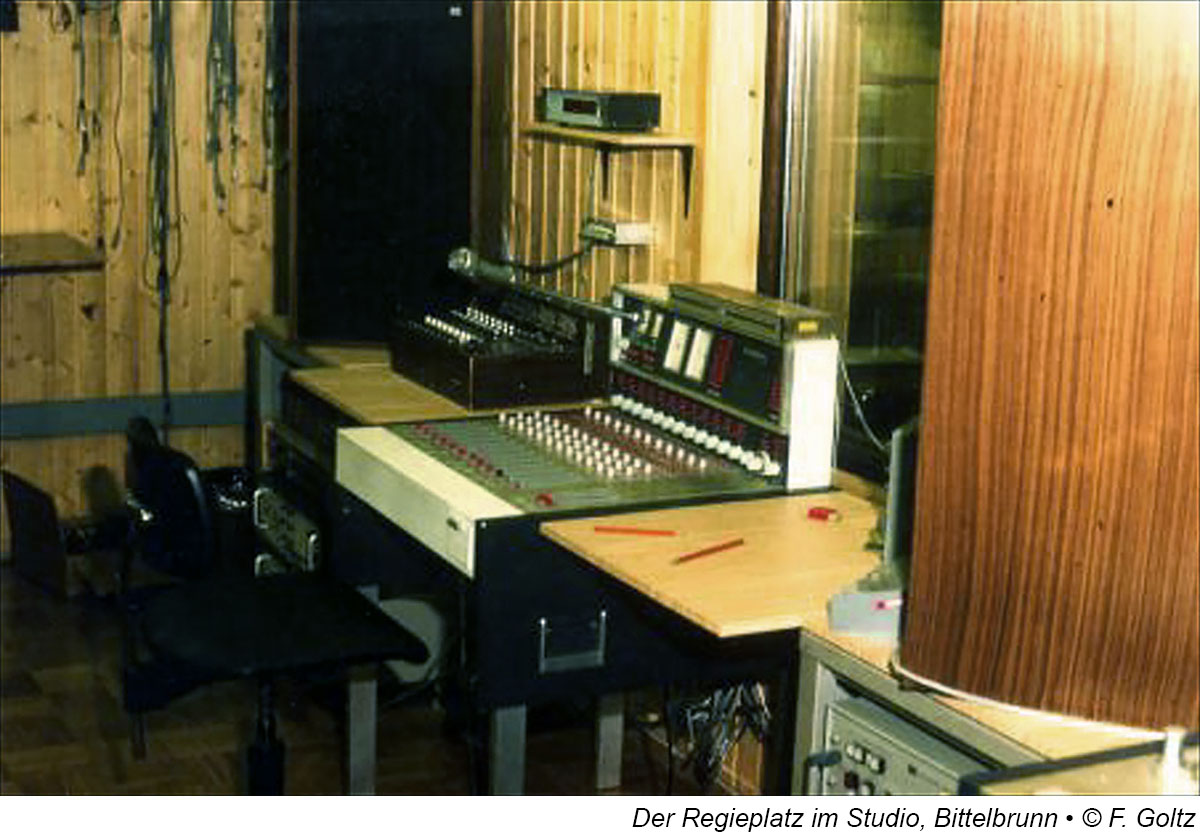
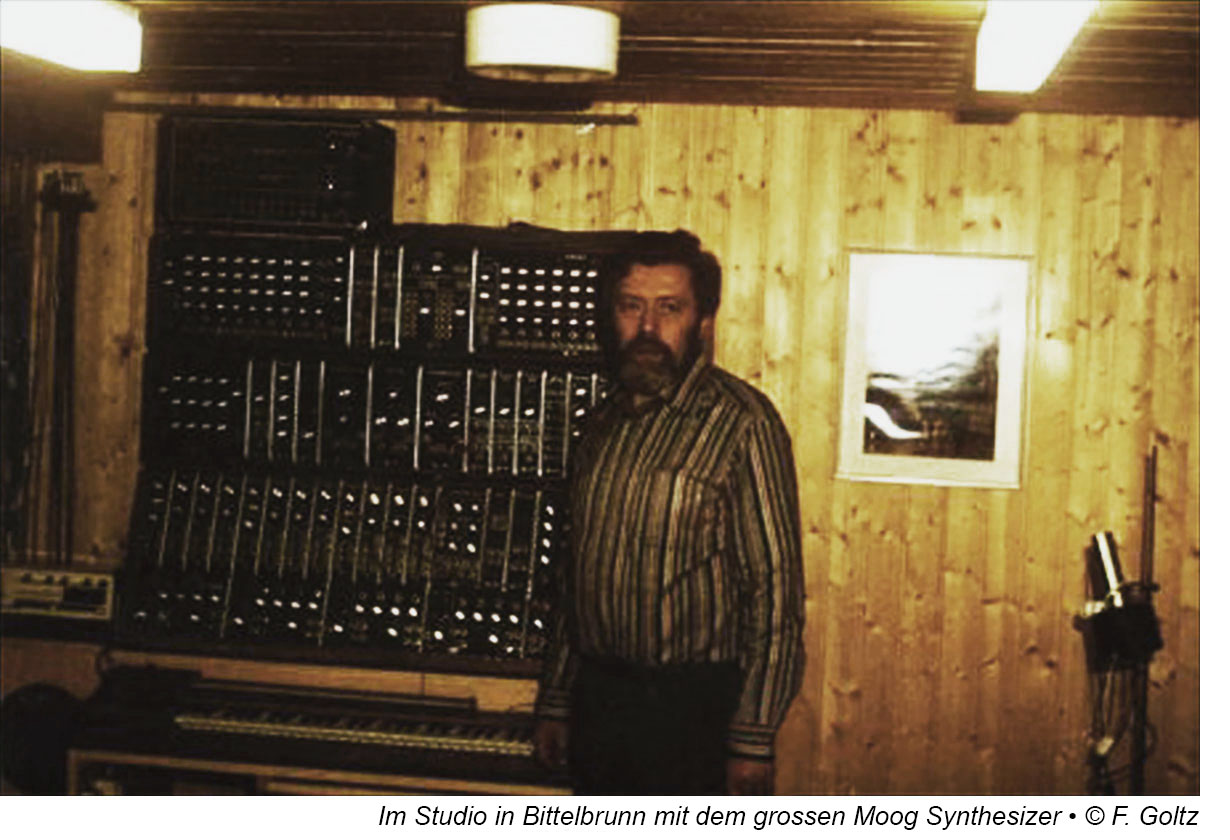
In a special production made for media professionals, Klaus Wunderlich personally explains how his “Wunderlich Studio Orchestra” works.
(only available in german)
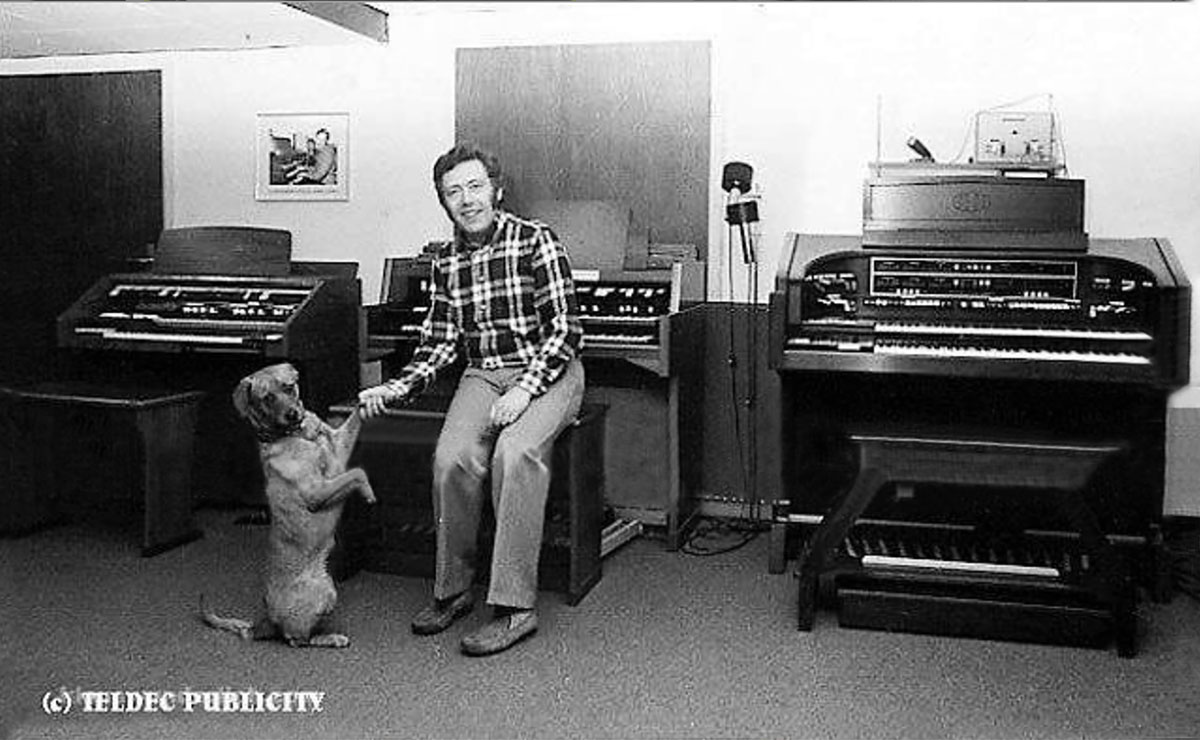 Strangers didn’t get access to his studio so easily, but his dog did! ;-) Studio Waldbronn
