

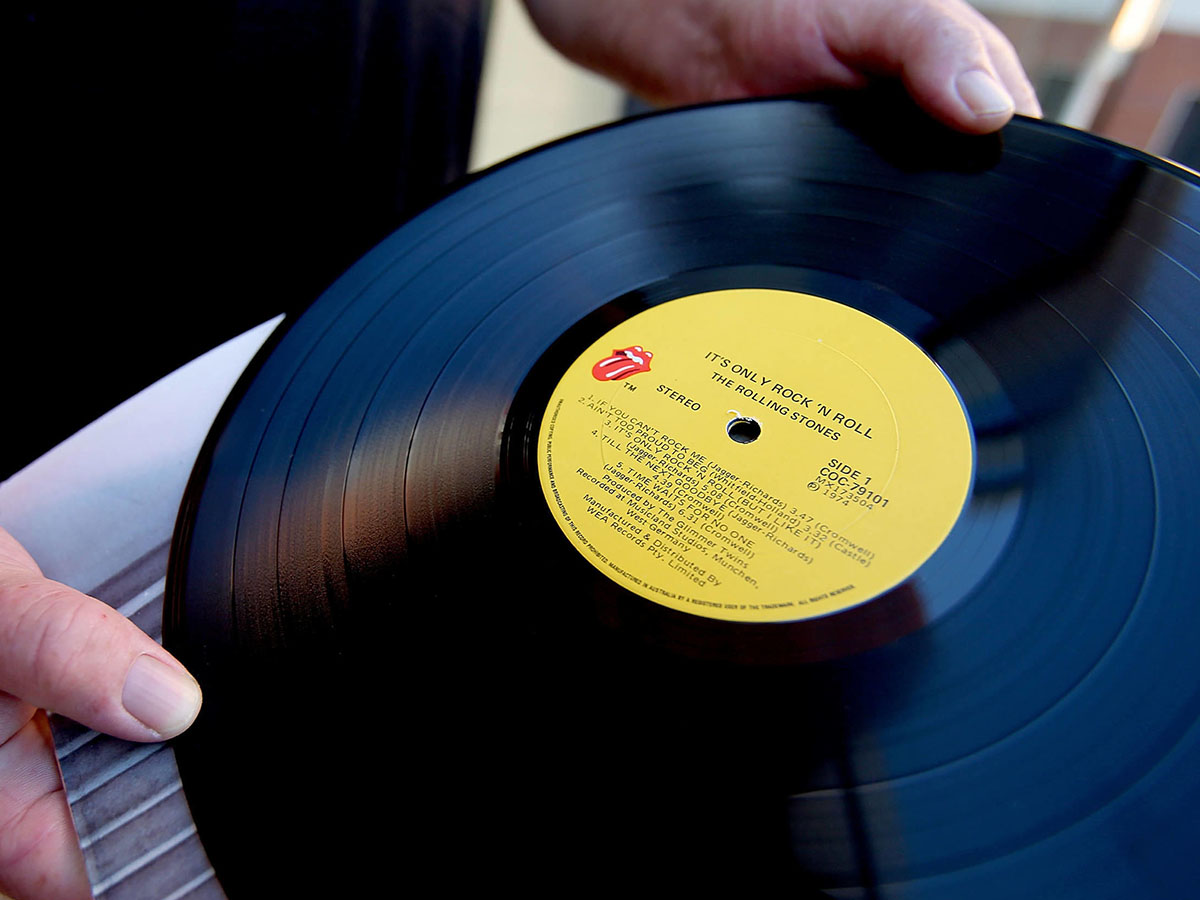
 A milestone in the history of sound carriers was the invention of the vinyl record in 1948 by the Hungarian-American physicist Dr. Peter Carl Goldmark. In the same year, the US record company Columbia introduced the first plastic record with a microgroove and 33 and one-third revolutions per minute. This 30-centimeter record was called a “long-playing record” (LP).
 This was followed in 1949 by the market launch of the single record by the US company RCA Victor. It had a diameter of 17.5 centimeters and played at 45 revolutions per minute. The introduction of vinyl as a sound carrier material marked the end of shellac records, which were much more sensitive and expensive. EMI was the last company to cease production in 1958. In the same year, stereophony was declared a mandatory recording technique at Deutsche Grammophon, but the first experiments with this technology, which creates a spatial sound experience, had already been carried out at Deutsche Rundfunk in 1929.
Sidney Frey, head of the record label Audio Fidelity Records, released the first stereo record in 1957: on one side, you could hear railroad noises, and on the other side, Dixieland jazz with the Dukes of Dixieland. In the early years, there were considerable problems with standardization and quality control in record production. Since the new stereo records were mono-compatible and also conveyed a spatial sound experience, there were no issues with their market launch. It was possible to play stereo records on a mono turntable and vice versa without any problems. Klaus Wunderlich was one of the first to fully exploit the possibilities of the two channels.
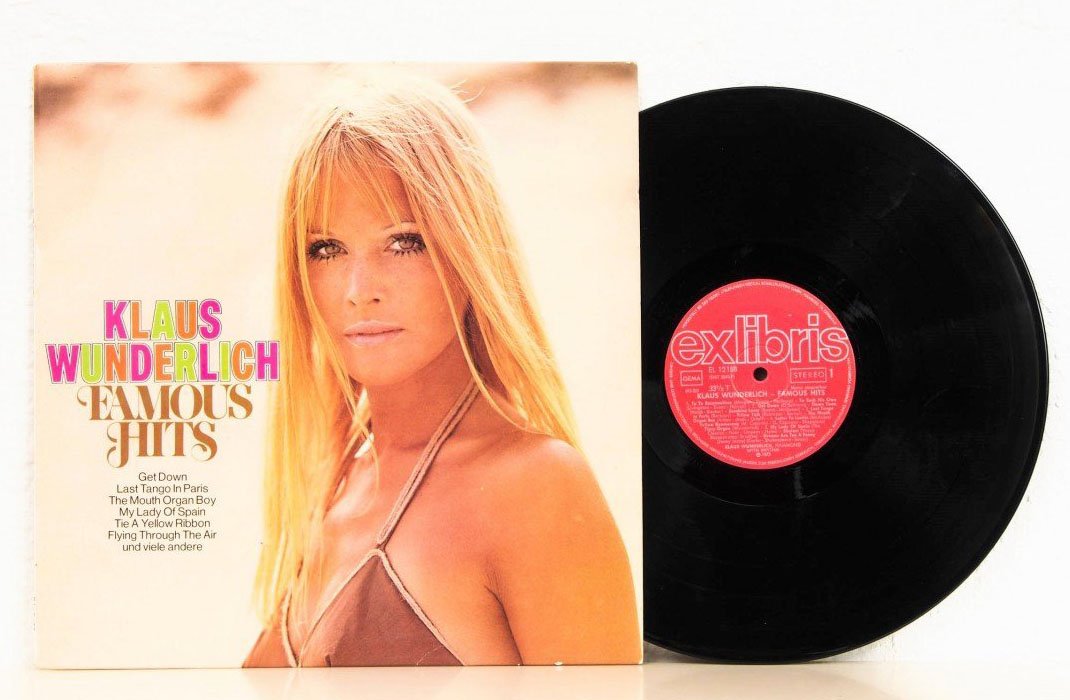 Klaus Wunderlich was one of the first to fully exploit the possibilities of the two channels.
See also the “Stereo example” on the page Stereo
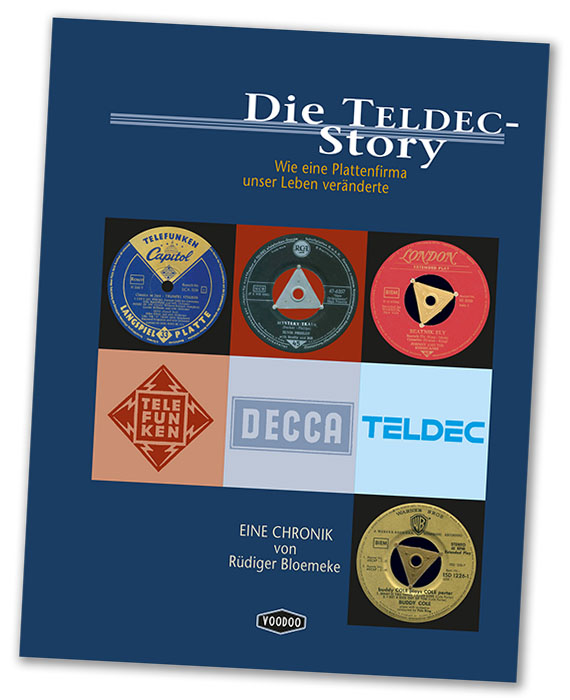
An exciting book for record fans can be ordered here (German only): -> Voodoo Verlag
The book is also available from well-known online retailers.